

This is a share of the RCAGP newsGP article “Responding to reproductive coercion in general practice” by Jo Roberts, 4 Feb 2026.
[newsGP Article Extract]
With reproductive coercion remaining ‘poorly recognised’ among many healthcare professionals, one expert is examining how it is managed in general practice and what can be improved.
Monash University’s Susan Saldanha has undertaken a series of studies into this lesser-known form of intimate violence, in hopes it will form the basis of clinical guidelines for GPs.
Reproductive coercion is a form of gender-based violence that interferes with a person’s control over their own reproductive autonomy.
It encompasses two main areas, promoting or preventing pregnancy, each of which can result in significant sexual, reproductive and mental health harms.
And within those two areas is a ‘spectrum’ of behaviours, says Ms Saldanha.
‘It could look like physical violence, but it could also look like subtle pressure and threats,’ she told newsGP.
‘Sometimes it is within households as well, like a partner refusing contraception or sabotaging it.’
by Jo Roberts
Read the full newsGP article >>
Photo Credit (“GPs are ‘responding in really thoughtful ways’ to evidence of reproductive coercion, says a Melbourne researcher.“)
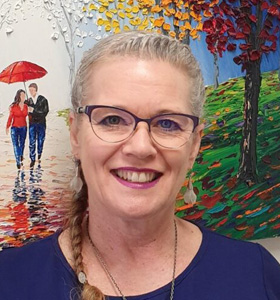
Dr Brenda Masters is a Canberra GP, President of the AFMW (2024-2026).
Brenda grew up in rural SA, studied Medicine in Adelaide, and has worked in Practices around the country before settling in our beautiful National Capital over 20 years ago.
Brenda is keenly involved in the Medical Women’s Society of ACT and Region, a group who provide both networking and peer support. She believes that everyone should be given the opportunity to realise their full potential in life and applies this to both her work and her relationships.
Brenda enjoys gardening and singing in her spare time and tries to make the most of Canberra’s proximity to the snow.